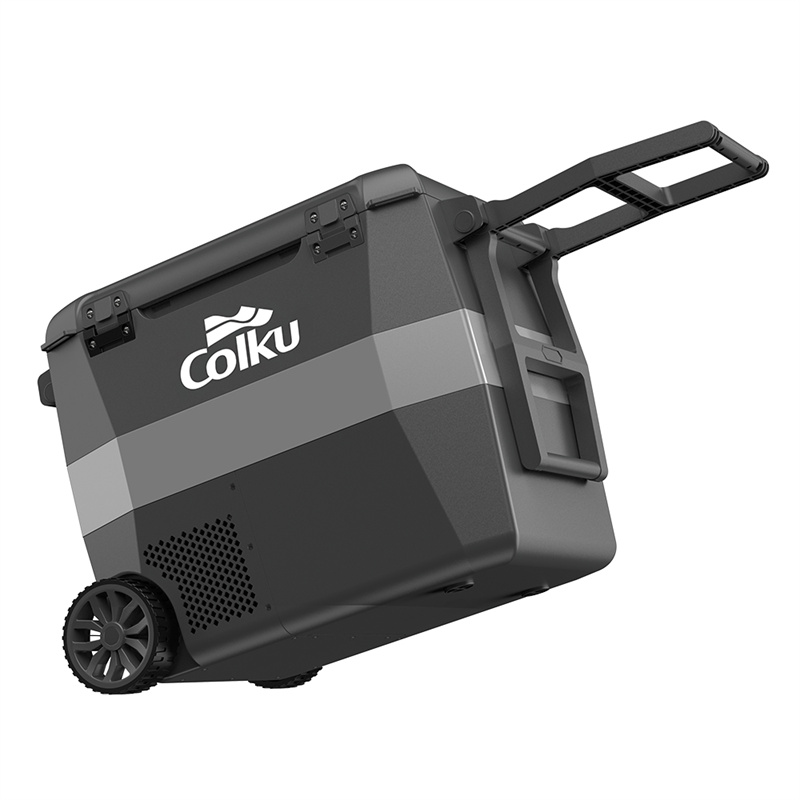
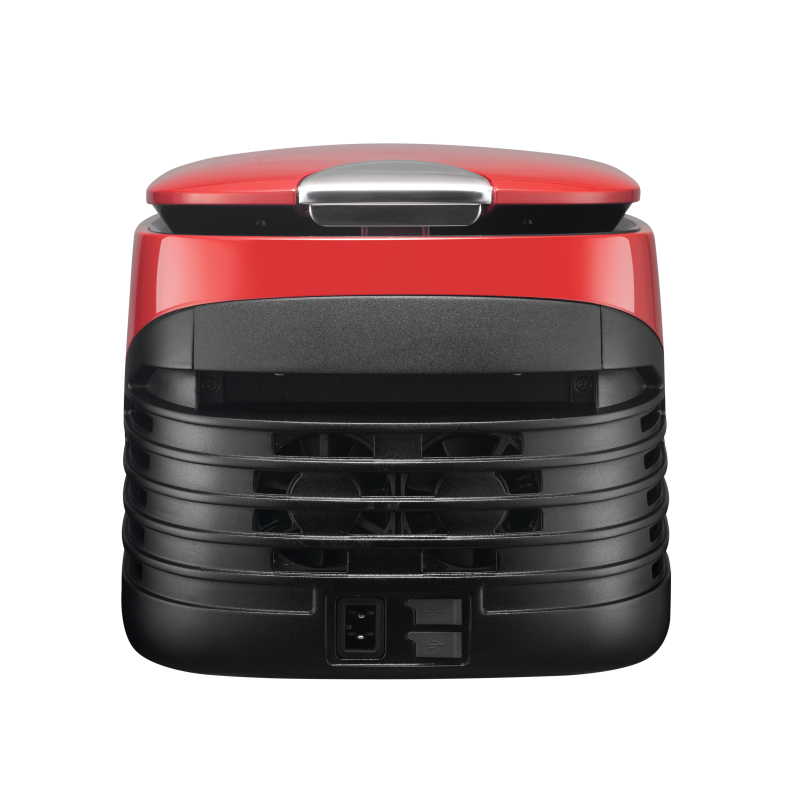
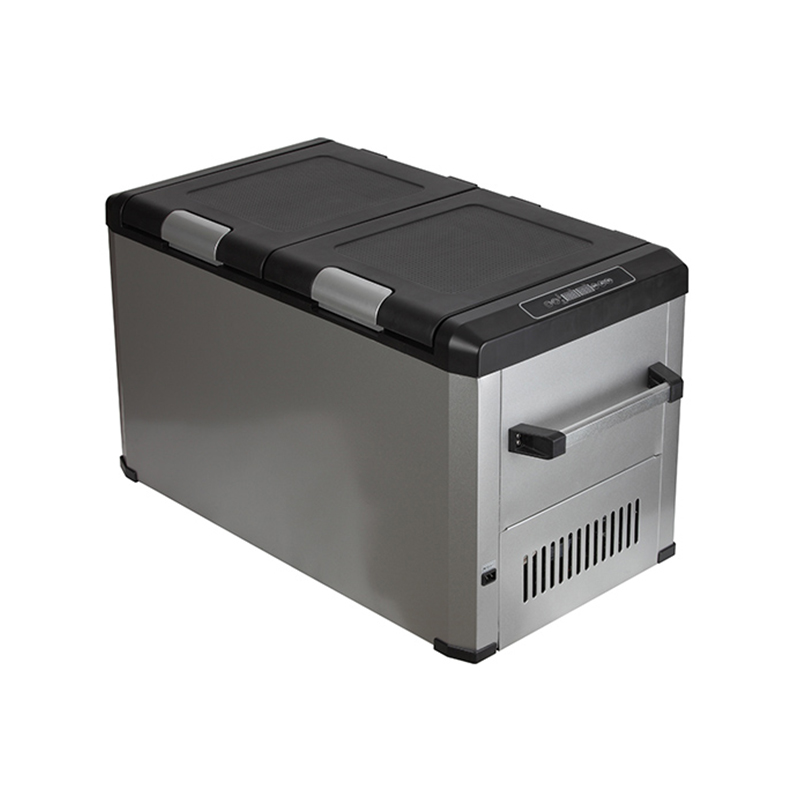
**China Advances in DC and Absorption Refrigerator Technologies to Meet Diverse Energy Needs**In recent years, China's refrigerator manufacturing sector has made significant strides in developing advanced cooling solutions tailored to a wide range of energy environments. Among the most notable technologies gaining traction are DC refrigerators and absorption refrigerators, which offer unique advantages for both urban and remote applications. These innovations reflect China's commitment to sustainability, energy efficiency, and expanding access to reliable refrigeration.### DC Refrigerators: Efficient Cooling Powered by Direct CurrentDirect Current (DC) refrigerators represent a growing segment within China's refrigeration industry, particularly suited for off-grid and variable energy scenarios. Unlike traditional Alternating Current (AC) refrigerators, DC models operate directly on electricity from batteries, solar panels, or other renewable energy sources. This eliminates the need for inverters, which can cause energy loss, resulting in more efficient power consumption.Domestic manufacturers have increasingly focused on refining DC refrigerator designs to optimize performance under fluctuating voltages and harsh conditions. This has been crucial in enabling cooling solutions for areas with unstable electrical grids or no grid access at all. In rural and remote regions of China, where electricity supply can be unreliable, DC refrigerators ensure the preservation of perishable foods, vaccines, and medicines.Moreover, the growing popularity of solar power installations has accelerated the deployment of DC refrigeration systems. The integration of high-efficiency compressors and improved thermal insulation ensures consistent temperature maintenance while minimizing energy draw. These refrigerators also tend to be quieter and more durable, making them ideal for various household and commercial environments.### Absorption Refrigerators: Harnessing Heat for Reliable CoolingAbsorption refrigerators utilize a fundamentally different cooling mechanism compared to conventional vapor-compression units. Instead of relying on electric compressors, they use a heat source—such as gas, propane, or solar thermal energy—to drive the refrigeration cycle. This technology is particularly valuable where electricity supply is limited or highly expensive.China has witnessed a resurgence in absorption refrigerator technology, powered by innovations in materials and heat exchange efficiency. These refrigerators find applications in recreational vehicles, rural homes, and emergency facilities, providing reliable cooling with minimal dependence on electrical infrastructure.One key advantage of absorption refrigerators is their silent operation and ability to run continuously with a steady heat source. Additionally, the utilization of renewable heat sources aligns well with China’s environmental goals and supports energy diversification strategies. Recent developments have enhanced the portability, capacity, and environmental friendliness of these cooling units.### Industry Integration and Technological InnovationThe rise of DC and absorption refrigerators in China is bolstered by robust industry integration and ongoing research efforts. Leading Chinese manufacturers are investing in state-of-the-art production lines and collaborating with research institutes to incorporate smart controls, IoT connectivity, and eco-friendly refrigerants. These advances contribute to the overall reduction of carbon emissions from refrigeration appliances.Chinese companies have also focused on building refrigeration solutions that cater to the unique requirements of various sectors—including agriculture, healthcare, and hospitality. For instance, cold chain logistics benefit from energy-efficient DC refrigerators to maintain product integrity during transport and storage. Healthcare facilities leverage absorption refrigerators to store temperature-sensitive vaccines and biological samples in areas with limited power supply.### Meeting the Demands of a Changing MarketChina’s refrigerator market is evolving rapidly in response to shifting consumer preferences, government policies, and global sustainability trends. The government’s strong emphasis on green technology development has spurred incentives for adopting low-energy appliances. Additionally, increasing awareness of energy conservation among consumers is driving demand for refrigerators that combine performance with environmental responsibility.The integration of renewable energy sources, such as solar and wind, is expected to further fuel the growth of DC refrigerator applications. Likewise, absorption refrigerators are poised to see expanded use in off-grid tourism and emergency preparedness. Both technologies contribute to reducing dependency on fossil fuels and lowering overall electricity consumption.### Looking ForwardAs China continues to enhance its refrigeration technology portfolio, the synergistic development of DC and absorption refrigerators stands out as a testament to the country’s innovation capabilities. These technologies not only address practical challenges related to energy access and efficiency but also support broader sustainability objectives.Future advancements may include further miniaturization, increased use of eco-friendly materials, and integration with smart home ecosystems. By balancing durability, efficiency, and affordability, China’s refrigerator industry is well-positioned to meet the evolving needs of domestic and international markets.---In summary, the progress in DC and absorption refrigeration technologies in China highlights a strategic approach to expanding cooling accessibility while prioritizing energy efficiency and environmental protection. These innovations contribute significantly to advancing sustainable living standards in both urban and rural areas, underscoring China’s leadership in next-generation refrigeration solutions.
Read More